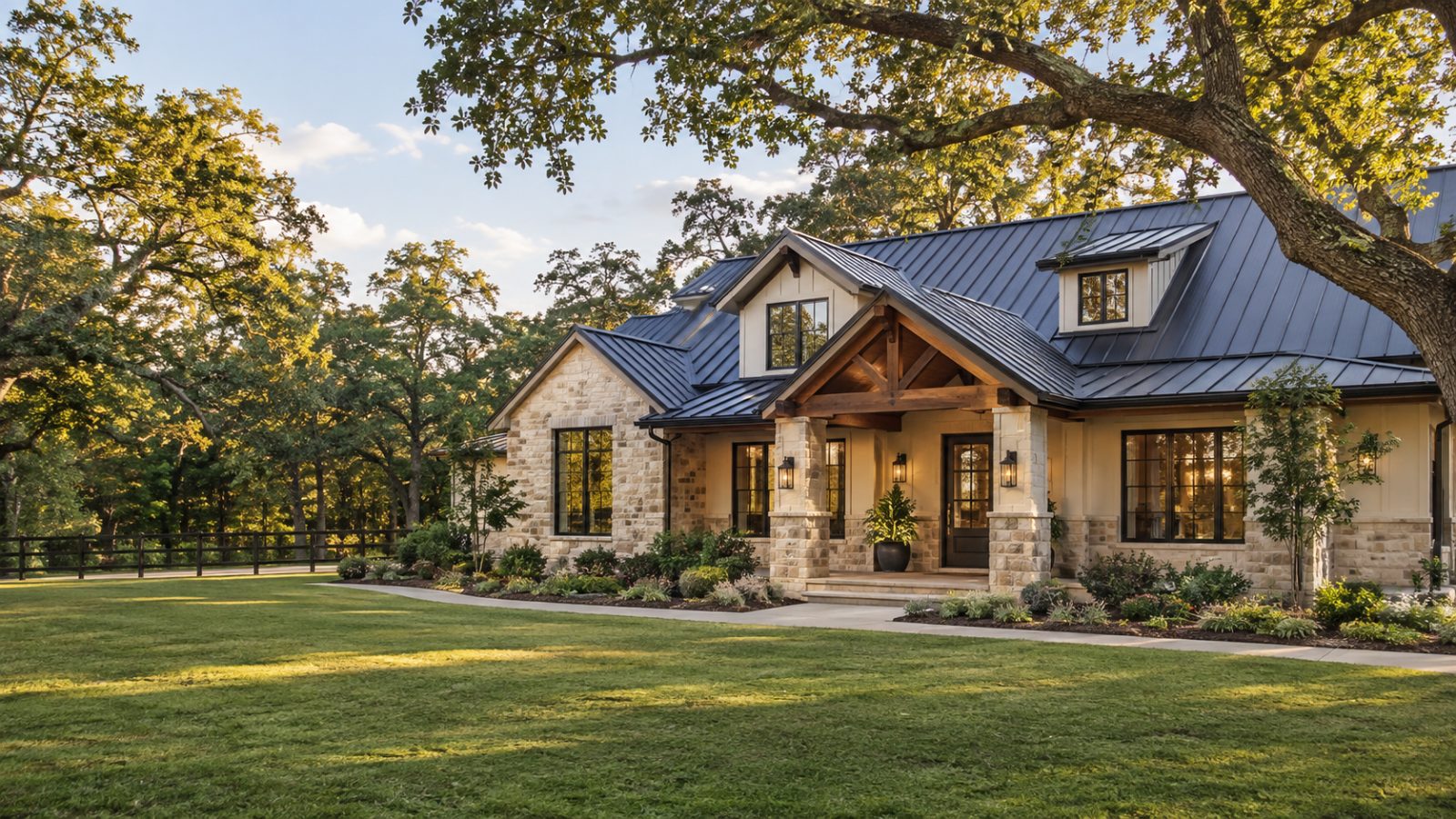
Metal Roofing in Magnolia, Texas
Metal Roofing in Magnolia
Planning a new roof or considering a change from shingles? Start with a conversation about your property. Get a Free Estimate
Metal Roofing in Magnolia, Texas
Planning a new roof or considering a change from shingles? Start with a conversation about your property. Get a Free Estimate
A roof has to do more than finish the look of a home. It needs to work with the structure beneath it, manage rainwater, stand up to changing weather, and suit the way the property is used. Metal roofing is an option worth considering when you are building, replacing an aging roof, or exploring a different roofing material. Metal Roofing Magnolia focuses on helping property owners understand the choices involved, from panel profiles and roof details to preparation and installation.
Magnolia properties vary from homes on wooded acreage to established neighborhood houses and newer construction. Roof shape, tree coverage, drainage, ventilation, and the condition of the existing roof can all influence what a project requires. We approach each conversation with those details in mind. Rather than assuming every property needs the same solution, we want to understand the roof, explain the relevant options, and help you make a decision based on the building in front of us.
Metal Roofing Magnolia is centered on one trade: metal roofing. We believe customers should be able to ask straightforward questions and receive clear explanations about materials, installation steps, roof details, and project considerations. A roof is a major part of a property, so the decision deserves more than a quick recommendation based only on appearance.
Our service area includes Magnolia, Tomball, The Woodlands, and Conroe. Each community has a different mix of homes, roof designs, tree coverage, and property layouts. We take those differences seriously when discussing a project. Our goal is to make the process easier to understand, keep communication direct, and help customers know what questions to ask before work begins.
More about us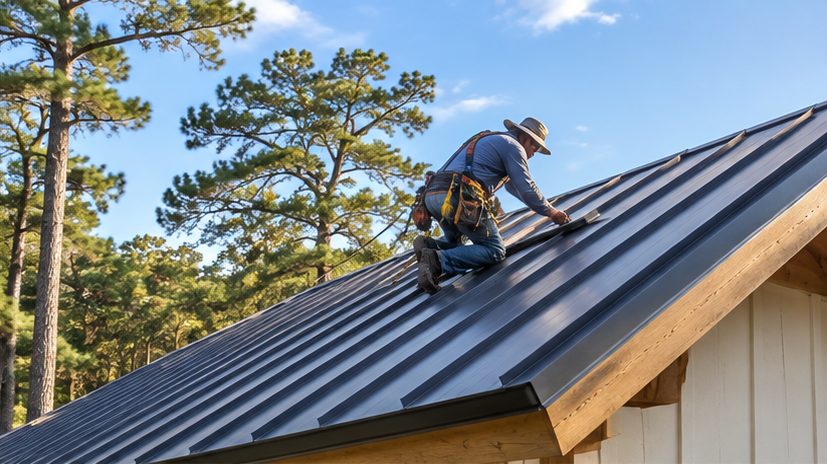
Our focus is all things metal roofing, including new metal roof projects, replacement planning, panel and profile discussions, roof detail considerations, and guidance through the installation process. We can help you understand what may be involved before you decide how to move forward.
Explore metal roofing options, replacement planning, panel styles, installation details, and practical guidance for your property.
Learn more →We serve property owners in Magnolia and nearby communities across the north Houston area. Magnolia projects may involve wooded lots, long driveways, and a range of roof shapes. In Tomball, established homes and newer neighborhoods can call for different approaches to planning and access. The Woodlands has a varied collection of village homes, mature landscaping, and architectural styles. Conroe properties range from established neighborhoods to homes closer to Lake Conroe and newer developments.
The right roofing conversation begins with the actual property, not a broad assumption about the town. Roof pitch, existing materials, access, drainage, surrounding trees, and the condition of the roof structure all matter. If your property is in Magnolia, Tomball, The Woodlands, or Conroe, contact us to discuss the work you have in mind.
See all service areas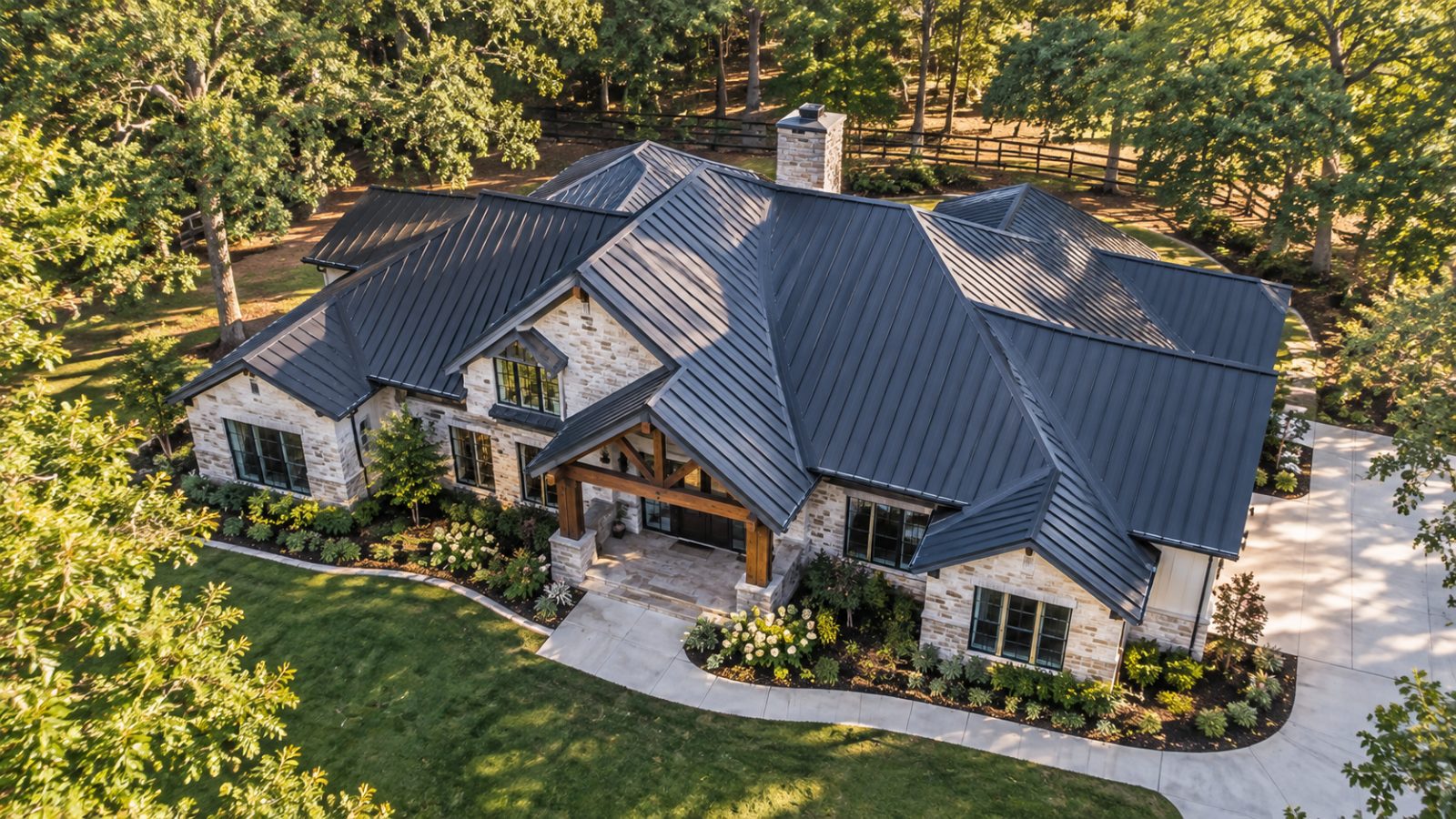
Our content and service approach center on metal roofing rather than treating it as one item in a long list of unrelated trades. That focus helps keep conversations relevant to the materials, details, and decisions involved.
Roofing terminology can make a project feel more complicated than it needs to be. We aim to explain the choices in everyday language so you can understand what is being considered and why.
A roof with several valleys, dormers, penetrations, or changes in pitch needs a different level of planning from a simple roof shape. We pay attention to the details that make each building different.
Our service area includes Magnolia, Tomball, The Woodlands, and Conroe. Familiarity with the mix of wooded lots, established neighborhoods, and newer construction in these communities helps keep local conversations grounded.
Customers should know what stage a roofing project is in and what decisions are still ahead. We value clear expectations, timely updates, and an opportunity to ask questions.
A metal roof project begins with understanding the existing building. Before choosing a panel style or discussing the finished appearance, it is important to look at the roof shape, the material already in place, the visible condition of the roof, and the way water moves off the structure. A roof with several intersecting sections, skylights, chimneys, or plumbing vents has more individual details to plan than a simple gable roof. Those details influence the preparation and installation work.
The next part of the process is discussing the roofing system. Metal roofing is not one single product. Panels can have different profiles, fastening methods, finishes, and design characteristics. Standing-seam systems, for example, have raised seams that connect adjacent panels. Other metal panel styles have exposed fasteners. The right option depends on the building, the appearance the owner wants, the system specifications, and the installation requirements. It is worth discussing how the panels will meet at ridges, valleys, eaves, rakes, and roof penetrations before work starts.
Preparation is another important stage. Depending on the project, the existing roof covering may need to be removed, the roof deck may need attention, and underlayment or other components may need to be installed according to the selected system. The installer must also plan how the roof will handle ventilation and drainage. Metal panels do not eliminate the need for a properly designed roof assembly beneath them.
During installation, careful layout and accurate detailing help the finished roof look consistent and perform as intended. Panels need to be aligned, secured, and joined using the methods specified for that system. Flashing around walls, chimneys, vents, and other interruptions deserves particular attention because these are places where water management is critical. The final review should include the visible roof surfaces and the details that connect them. Knowing these stages helps homeowners ask useful questions and understand why planning matters as much as the material itself.
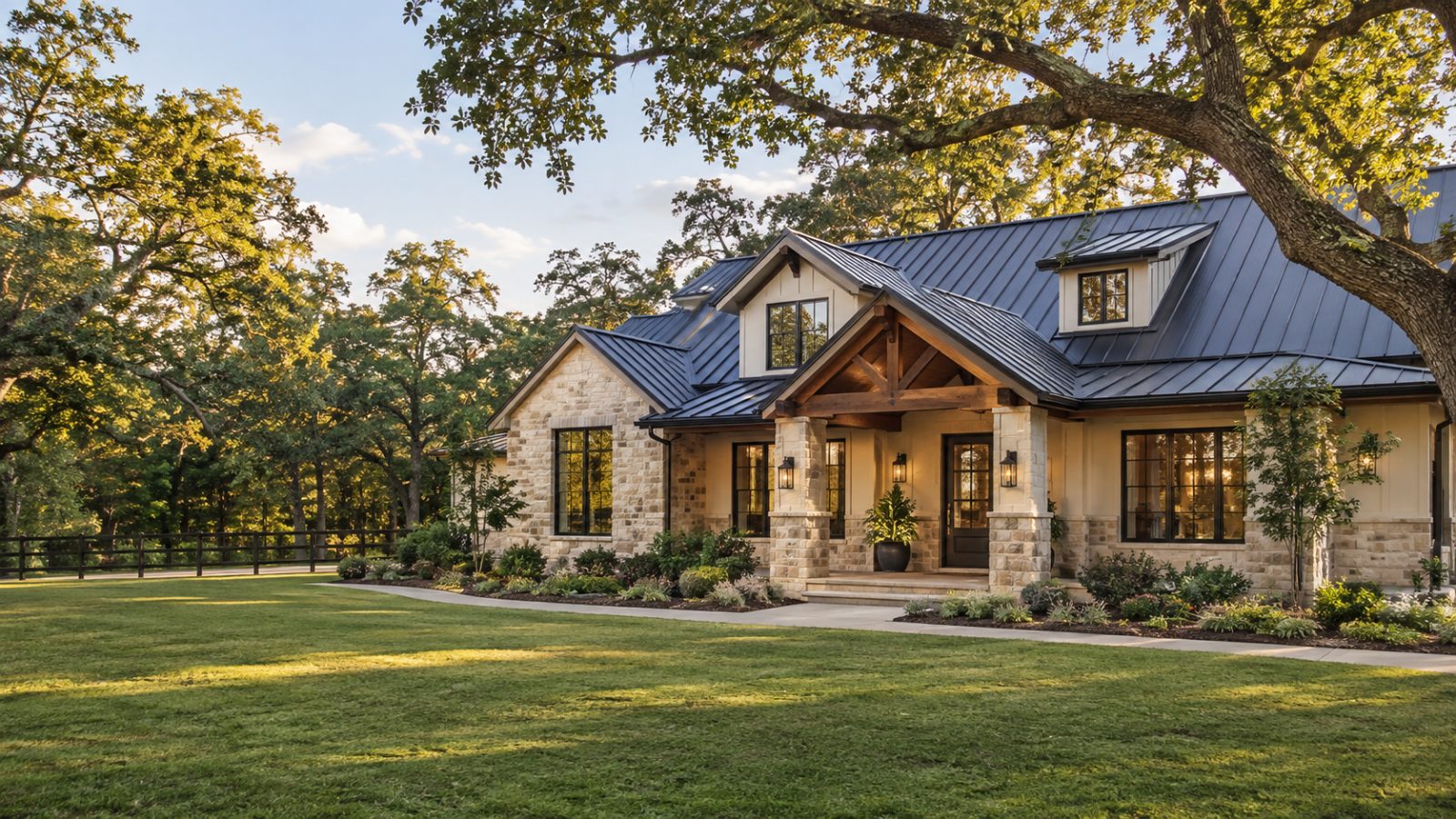
A roof does not always show one obvious sign before it needs attention. Sometimes the first clues appear inside the home, such as a water stain on a ceiling, dampness near an exterior wall, or a musty smell in an attic. Other signs can be visible from the ground, including missing roofing pieces, uneven roof lines, damaged flashing, or areas where water appears to collect. These observations do not automatically mean the entire roof needs replacement, but they are reasons to arrange a closer assessment.
Age is one factor to consider, although the calendar alone cannot tell you the condition of a roof. The original material, installation quality, ventilation, maintenance, weather exposure, and past repairs all affect how a roof ages. A property with heavy tree coverage may experience falling branches, leaf buildup, and shaded areas that remain damp longer after rain. A home exposed to strong sun for much of the day may experience a different pattern of wear. In either situation, the roof should be evaluated as a complete system rather than judged by one visible spot.
After a significant storm, look for signs of impact or water entry when it is safe to do so. Do not climb onto a wet or damaged roof to investigate. A ground-level view may reveal displaced materials, damaged gutters, or debris, but some problems are not visible without a professional inspection. If water is entering the building, protecting the interior and arranging prompt assessment should take priority over choosing a new roof color or panel profile.
Metal roofing may be worth discussing when an existing roof is nearing the end of its useful life, when repeated repairs are becoming a concern, or when an owner is planning a broader exterior update. The decision should account for the condition of the roof deck, the roof design, ventilation, drainage, and the details of the proposed metal system. A careful assessment can help distinguish between a repairable issue and a project that calls for replacement planning.
Homes in the Magnolia area experience hot summers, strong sunlight, periods of heavy rain, humidity, and the possibility of severe storms. These conditions make the complete roof assembly important. The visible metal panels are only one part of the system. Underlayment, flashing, fasteners or clips, ventilation, insulation, and drainage all contribute to how the roof works as a whole. A material choice should never be separated from the way it will be installed on the building.
Sun exposure is a common consideration for Texas homeowners. Metal roofing is available in different colors and finishes, and the properties of a particular finish can influence how it responds to sunlight. If energy performance is part of your decision, ask about the specific product's published information rather than relying on a general claim about all metal roofs. Attic insulation, air sealing, ventilation, windows, and the overall building design also affect indoor comfort. A roof covering alone cannot guarantee a particular indoor temperature or energy bill.
Rainwater management deserves equal attention. The roof needs a suitable path for water to move from the panels into gutters or away from the building. Valleys, eaves, transitions, and penetrations must be detailed for the selected system. On a property with mature trees, gutters may need more frequent attention because leaves and small branches can restrict water flow. A metal roof does not remove the need to maintain drainage components or keep an eye on the surrounding tree canopy.
Storm preparation is another reason to discuss the complete system. Ask how the proposed roof is designed to be attached, what product specifications apply, and how the installation details address the roof's shape and exposure. No roofing material should be described as storm-proof or immune to damage. A sound decision comes from understanding the product, the installation requirements, the condition of the structure, and the maintenance expected after the work is complete.
Two houses with similar square footage can have very different roofing requirements. The roof's measured area is only one part of the picture. Pitch, the number of roof sections, the presence of valleys and dormers, access around the building, and the number of penetrations all affect the work involved. A straightforward roof shape may allow a simpler installation sequence, while a roof with multiple intersecting sections requires more planning and careful fitting around transitions.
The existing roof condition also matters. If the old covering is being removed, the condition of the roof deck may not be fully understood until the material is taken off. Damaged or deteriorated decking may need attention before a new system can be installed. The existing ventilation arrangement, fascia, gutters, flashing, and roof edges may also influence the scope. These items should be discussed as part of the project rather than treated as unrelated details discovered at the last moment.
Material selection changes the work as well. Different metal panel profiles and systems have different installation methods and accessory requirements. Finish, color, panel length, fastening approach, trim pieces, and manufacturer specifications all need to be considered. A customer comparing options should ask what is included in each proposed system and whether the details are designed to work together. Comparing only the appearance of two panels can leave important differences unexplored.
Property access can be especially relevant on wooded Magnolia lots or homes with limited space around the structure. Trees, fences, landscaping, detached buildings, driveway layout, and nearby structures can affect where materials are staged and how crews reach the roof. These conditions do not necessarily prevent a project, but they should be understood during planning. A useful project discussion explains the roof itself, the selected material, the preparation required, and any property-specific factors that could affect the work.
Start by asking what type of metal roofing system is being proposed and why it is suitable for your roof. Ask whether the system uses standing seams or exposed fasteners, what finish options are available, and which accessories are designed to work with it. You should be able to understand the basic differences without needing to become a roofing specialist. If an explanation is unclear, ask for it to be described another way before making a decision.
Ask how the existing roof will be handled. Will the current covering be removed, or is another approach being considered? How will the roof deck be checked? What happens if damaged decking is uncovered? How will underlayment, ventilation, flashing, and drainage be addressed? These questions help reveal whether the conversation is about a complete roofing system or only the visible metal panels. They also give you a clearer picture of the work sequence.
It is also reasonable to ask who will be responsible for communication, how changes to the agreed scope will be discussed, and what the expected project stages are. Before work begins, make sure the written proposal describes the materials, preparation, installation scope, and any exclusions in language you understand. Ask for product documentation and applicable warranty information, and read the terms carefully. A manufacturer's product warranty and an installer's workmanship commitment are not necessarily the same thing.
Finally, consider how the company responds to questions. A useful roofing conversation should make room for practical concerns about your home, your schedule, and the finished appearance. Be cautious about guarantees that sound absolute, pressure to make an immediate decision, or claims that do not come with clear product information. Choosing a roofing company is not only about selecting a panel. It is about understanding the full project and feeling informed before the work begins.
Metal roofing can be a suitable option for many Magnolia homes, but the right choice depends on the roof design, the selected system, the condition of the structure, and installation quality. Discuss sun exposure, drainage, ventilation, and tree coverage when considering a roof.
Whether an existing roof can remain in place depends on local requirements, the condition of the roof, the proposed metal system, and its installation instructions. The roof deck and existing layers should be assessed before deciding whether removal is necessary.
The sound inside a home depends on the complete roof assembly, including the decking, underlayment, insulation, attic space, and ceiling construction. A metal panel by itself does not determine how much rain noise you hear indoors.
Standing-seam and exposed-fastener panels have different appearances, attachment methods, and maintenance considerations. Your roof shape, design preferences, product specifications, and installation requirements should guide the choice.
Leaks, damaged flashing, missing materials, and visible deterioration are reasons to have the roof assessed. An evaluation of the roof covering, deck, ventilation, and previous repairs can help clarify whether a targeted repair or a larger replacement project is appropriate.
Tell us what you are planning for your Magnolia-area property. We can help you start with the right questions about metal roofing.
Free — no obligations